The Quiet Check on Your Police Commissioner: A Resident's Guide to the Police and Crime Panel
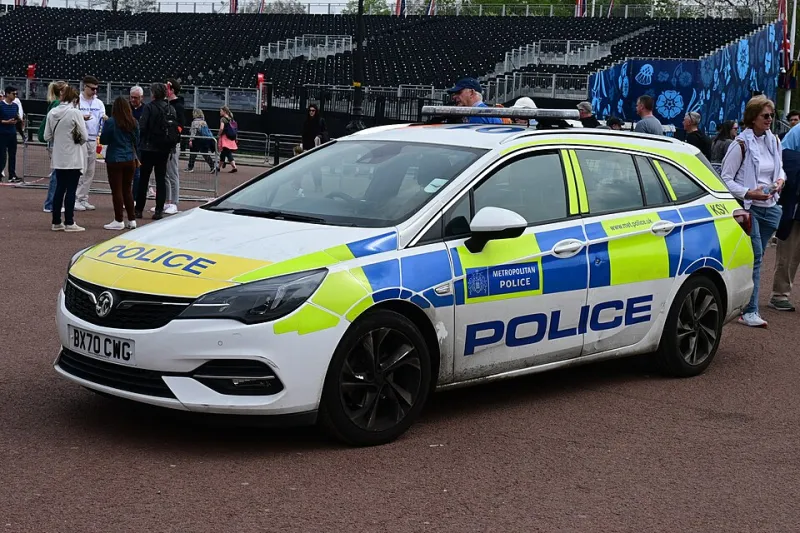
Photo: Hullian111, CC BY-SA 4.0, via Wikimedia Commons
Ask a resident in England or Wales to name their police and crime commissioner and you may get a shrug. Ask them to name a member of the police and crime panel and the shrug is likely to be total. Yet the panel is one of the few bodies with a statutory power to question the commissioner, review the precept and, in limited circumstances, block a senior appointment. It is a check on power that most people have never heard of.
That obscurity is not an accident of public apathy alone. Panels meet irregularly, publish papers in obscure corners of council websites and rarely attract media coverage. But they are open to the public, and they can be used. This explainer sets out how panels are composed, what they can and cannot do, how residents can take part, and how to read a commissioner's annual report with a sceptical eye.
A scrutiny body most residents cannot name
Police and crime panels were created by the Police Reform and Social Responsibility Act 2011. They exist in every police area in England and Wales outside London. In London, the London Assembly's Police and Crime Committee performs a similar role. The panel's job is not to run the police force. It is to scrutinise the elected police and crime commissioner who does.
The commissioner sets the police and crime plan, appoints the chief constable and sets the precept, subject to the panel's checks. The panel's role is to test those decisions in public. It is a small body with a large mandate: to make the commissioner explain.
How the panel is composed
A police and crime panel has at least ten members. Most are appointed by the local authorities in the police area. At least two are independent co-opted members. The exact number and balance are set out in the panel's constitution. Members are usually councillors, but the independent members are not. The chair is chosen by the panel.
This composition is a compromise. Local authority members bring democratic legitimacy, but they are appointed by councils, not directly elected. Independent members bring outside experience, but they are co-opted, not elected. The panel is therefore a hybrid: part council scrutiny, part civic oversight. Its strength depends on how seriously its members take the role.
What the panel can and cannot do
The panel can require the commissioner to attend and answer questions. It can review the draft police and crime plan and the annual report. It can make recommendations. It can veto the commissioner's proposed precept by a two-thirds majority of its members. It can veto the appointment of a chief constable, and in some circumstances a deputy chief constable. It can ask the commissioner to reconsider a decision.
It cannot dismiss the commissioner. That power belongs to the electorate or, in limited circumstances, to the Independent Office for Police Conduct and the Home Secretary. It cannot direct operational policing. It cannot investigate individual complaints. It is a scrutiny body, not a regulator. Its power is public persuasion, backed by limited vetoes.
How to submit a question or attend
Most panels meet in public. Papers are usually published on the council website of the authority that hosts the panel, or on a dedicated panel page. Check the agenda for public question time. Some panels allow questions in advance; others take them on the day. Some restrict questions to residents in the police area. If you cannot attend, ask whether the meeting is webcast or whether minutes will be published.
If you want to submit a question, keep it specific. Ask about a decision, a figure or a performance target. A question such as 'How has the commissioner's precept increase been spent on visible neighbourhood policing?' is more likely to get a useful answer than a general complaint. Ask for the answer in writing if you cannot attend.
Reading the commissioner's annual report: a checklist
The annual report is the commissioner's account of the year. Read it with a checklist.
First, the precept. How much has the commissioner increased the police element of the council tax, and what does the report say the money will buy? Compare the increase with the plan's promises.
Second, outcomes. Look for crime figures, victim satisfaction, response times and complaints. Are the numbers improving or worsening? Is the report explaining the trend or simply describing it?
Third, delivery. The police and crime plan sets objectives. The annual report should say what was delivered. Look for specific commitments and specific results. A report that lists activities rather than outcomes is a report that is avoiding the harder question.
Fourth, complaints and conduct. How many complaints were made against the force, and how were they resolved? What has the commissioner done about the findings?
Fifth, collaboration and contracts. Who is the commissioner working with, and what are the arrangements? Are the contracts published?
Sixth, transparency. Does the report publish the commissioner's expenses, meetings and decision notices? A commissioner who publishes more is easier to scrutinise.
When scrutiny looks thin: a route to press the panel
If the panel is not meeting often, not asking difficult questions or not publishing its reports, residents can act. Write to the chair and ask for a specific item to be placed on the agenda. Ask your local councillor, who may be a panel member, to raise it. Use freedom of information to request panel papers and correspondence. Contact local media. Ask your MP to take an interest.
The panel must publish its reports and recommendations. If it is not doing so, ask why. If it meets in private, ask for the legal basis. If it has not used its veto powers, ask whether it has considered them. The panel is not a talking shop by design, but it can become one if nobody watches.
The accountability chain
Police and crime commissioners are elected, but elections are infrequent and turnout is often low. The panel is the continuing check between elections. It is not a perfect check. It is under-reported, under-attended and often under-powered in practice. But it is a lever, and levers are useful when residents know where they are.
The next time you read about a precept increase or a chief constable appointment, ask who scrutinised it. Find the panel. Read its papers. Submit a question. The chain of accountability runs from the commissioner to the panel to the public. It only works if the public holds up its end.