The Clock and the Clerk: A Resident’s Guide to Council Public Question Time in 2026

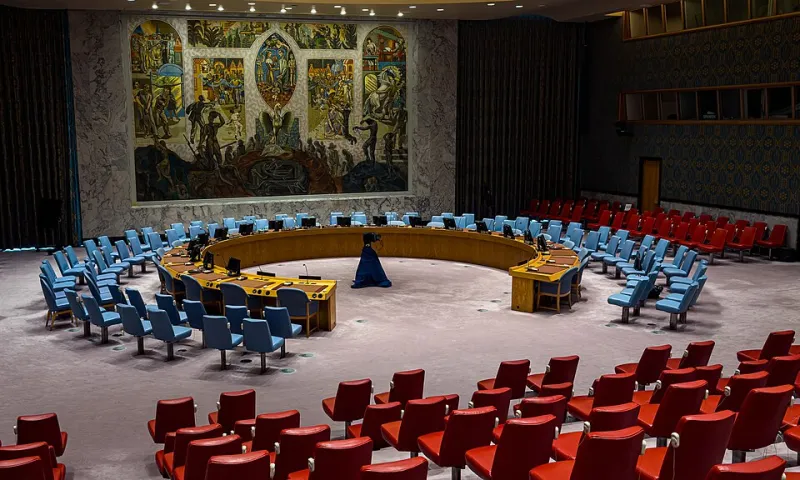
Photo: Virtual-Pano, CC BY-SA 4.0, via Wikimedia Commons
Public question time is one of the few moments in the civic calendar when a resident can address the whole council without an appointment, a solicitor or a party label. It is also one of the least understood. The rules are set locally, often buried in a council’s constitution, and they vary sharply from one authority to the next. In some chambers a submitted question is read out, answered in the room and followed by a supplementary. In others it is logged, acknowledged and passed to a cabinet member for a written reply that may arrive weeks later. For anyone trying to hold a council to account, that difference is not administrative detail. It is the difference between a public answer and a private promise.
What public question time is — and is not
Public question time normally sits within a full council meeting, not a cabinet meeting, scrutiny committee or planning committee. It gives residents a route into the formal record. It is not a debate, a complaint-handling service or a substitute for the local government ombudsman. Nor is it a legal hearing. Councillors answer as politicians, within the limits of the constitution and the advice of officers. That makes it useful for accountability, but not a guarantee of remedy.
The practical rules are local. Many councils publish a procedure setting out how many questions can be asked, how long each may last and whether a supplementary is allowed. Some authorities impose a total period — thirty minutes is common — and stop when the clock runs out. Others allow a fixed speaking time per questioner, sometimes around three minutes. A few accept questions only from residents or electors in the area; others allow anyone who lives, works or studies there. Deadlines can be a week before the meeting, five working days, or a set hour on a set day. The first task for any resident is therefore not to write the question but to find the rulebook.
A practical checklist before you submit
Start with the council’s constitution and the full council agenda papers. Look for the section headed public question time, public participation or questions from members of the public. Check the deadline, the word limit, the submission address and whether the question must relate to a matter within the council’s functions. Confirm whether you must attend in person, whether remote attendance is allowed, and whether a proxy can read your question. Check whether supplementary questions are permitted and whether answers are given orally or in writing.
Then draft one question with a clear ask. A useful question names the decision, the date or the document at issue. It asks for a specific commitment: a report, a timetable, a vote, a published figure or an explanation of a change. Multi-part questions invite partial answers. Rhetorical questions invite speeches. If the local rules allow only one question, make the first sentence do the work.
Bring evidence, but keep it short. A date, a committee reference, a page number or a contract value is more persuasive than a long preamble. If the question is accepted, arrive early, sit where you can be seen, and have a two-sentence supplementary ready. The supplementary should not repeat the original question. It should press for the missing part of the answer: when, who, how much, or on what evidence.
How accountability gets diluted
Not every disappointing answer is a breach of the rules. Chairs have discretion to keep meetings orderly. Councils may group similar questions, refer them to a written response, or ask an executive member to reply later. Under some constitutions, a question can be answered by a written statement circulated with the minutes. These devices can be legitimate. But residents should notice when they are used to avoid a public commitment.
Common dilution tactics include answering a different question from the one submitted, offering a general statement of intent instead of a date, referring the matter to an officer who is not present, or allowing a long introductory answer until the questioner’s time expires. Grouping several questions can also blur responsibility: one answer may cover three residents’ concerns without addressing any of them precisely. The remedy is not to interrupt the meeting. It is to record what was asked, what was answered and what was deferred. Ask the clerk or democratic services team for the written answer and the minute. If the answer promised a follow-up, note the date and chase it.
Rule changes residents can press for in 2026
Public question time is a constitutional choice, not a fixed feature of local democracy. Councils reviewing their constitutions in 2026 can be asked to adopt a short public question time charter. The essentials are modest: publish the rules in plain English on the same page as the agenda; guarantee that every accepted question receives an answer at the meeting or in writing within ten working days; allow at least one supplementary where time permits; publish all questions and answers in a searchable log; and report annually on how many questions were submitted, accepted, answered and deferred.
There is also a case for random selection where demand exceeds time, rather than selection by officers or political groups. Random selection is not perfect, but it is transparent and hard to game. Councils could also allow remote submission and remote attendance where they do not already, and give questioners a clear route to appeal a refusal to accept a question. None of this requires a new Act of Parliament. It requires a council willing to be questioned.
The three minutes are not the whole story
The microphone is only the visible part of accountability. The minutes, the written answers and the follow-up are where a question either becomes a commitment or disappears. A resident who uses the three minutes well — with a precise question, a short supplementary and a written record — has done more than make a speech. They have tested whether the council can answer in public. That test is worth repeating, meeting after meeting, until the answer is no longer a courtesy but a habit.