After the Hundred-Thousandth Name: Turning a Petition Into Accountability
An e-petition reaching 100,000 signatures is often reported as if it compels action. It does not. Under the UK Parliament e-petitions system, the threshold makes a petition eligible for consideration by the Petitions Committee, which may schedule a debate. That is a meaningful opening, but it is not a decision, a referendum or a legal duty to act. For citizens seeking accountability in 2026, the useful question is not simply whether the number was reached, but what formal and political routes open afterwards — and who is expected to answer.
What the threshold actually triggers
As of 2026, the Parliament e-petitions site requires a government response once a petition passes 10,000 signatures. At 100,000, the petition is considered for debate by the Petitions Committee. The committee is cross-party and can take several paths: it may schedule a debate, seek further evidence, write to a minister, refer the matter to a select committee, or group related petitions together. None of these steps automatically changes the law or obliges a public body to reverse a decision.
The distinction matters. A petition is a request to a institution, not a binding instruction from the electorate. Its force comes from the attention it attracts, the evidence attached to it, the cross-party support it can gather and the follow-up it generates. A large signature count can open a door. It rarely pushes the door open on its own.
From committee to chamber: the route after 100,000
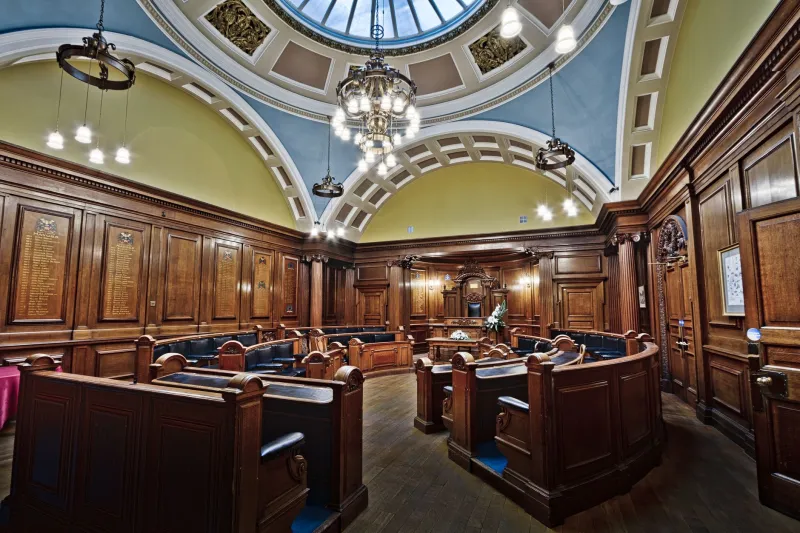
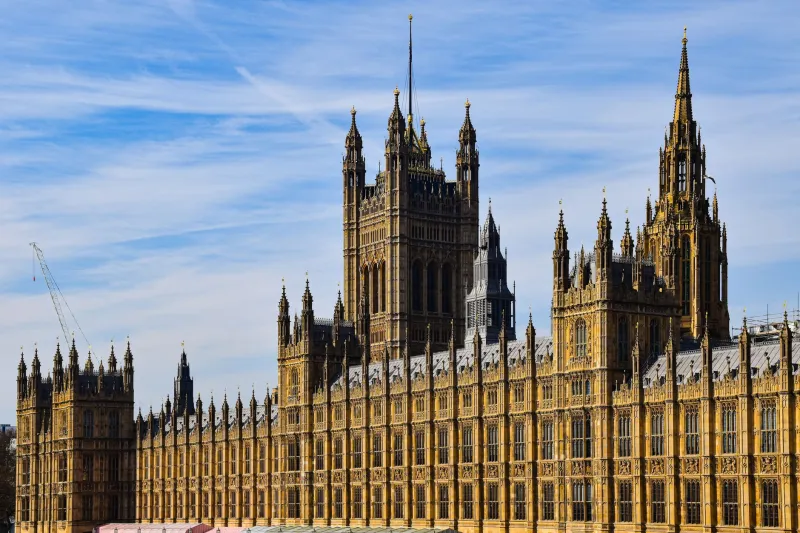
If the Petitions Committee schedules a debate, it is usually held in Westminster Hall rather than the main Commons chamber. Such debates are backbench-led and time-limited. A government minister responds for the relevant department. The debate can put a case on the record, expose disagreements between parties and give campaigners a focal point. It does not produce a vote on the petition itself, and it does not bind ministers.
That does not make the debate worthless. Westminster Hall debates can raise the profile of an issue, draw out a minister's position and create a transcript that campaigners can use later. They can also reveal whether MPs from different parties are willing to attend and speak. A poorly attended debate, or a response that repeats an existing line, is itself useful information about the strength of parliamentary interest.
The committee stage is often more important than the headline moment. If the Petitions Committee asks for written evidence or refers a petition to a select committee, that creates a paper trail. Ministerial correspondence, committee reports and oral evidence can all be cited in later scrutiny. The petition becomes a lever for questions rather than a single event.
Government response: a document, not a decision
A government response is required at 10,000 signatures, well before the 100,000 threshold. It is usually a written statement setting out the government's position. It may be detailed, minimal or largely a restatement of existing policy. Citizens should read it closely: does it address the specific ask, name the responsible minister, cite evidence, and set out any timetable or review? A response that avoids the central question is a finding in itself.
At 100,000, the response is not automatically upgraded into a policy commitment. The petition may still be considered for debate, but the government can maintain its position. Campaigners should therefore treat the response as a document to be tested, not a verdict to be accepted. Written parliamentary questions, freedom of information requests and select committee correspondence can all probe the gap between a minister's words and departmental action.
Why council petition schemes are not a single system
Local petitions are governed by each council's own scheme, not by a single national threshold. A council may require a few hundred signatures for an officer response and several thousand for a full council debate. Some schemes allow for scrutiny committee referrals; others provide only a written reply. The Localism Act 2011 framework encouraged local petition arrangements, but it did not create one uniform UK-wide model.
This variation is practical, not academic. A petition that would trigger a debate in one authority may receive only an acknowledgement in another. Citizens should find the council's published petition scheme, check the threshold, identify the decision-maker and confirm what the scheme promises. If the scheme is hard to find, that is a governance point worth raising in its own right.
Symbolic milestones and real leverage
A 100,000-signature petition is a symbolic milestone. It signals that an issue can attract national attention, and it gives media and MPs a reason to engage. But signatures are self-selected. They do not prove that a majority of the public, or even a majority of constituents, support the specific remedy proposed. Serious campaigners should be careful not to overclaim a mandate.
Real leverage comes from combining the petition with other forms of pressure: local evidence, affected residents willing to speak, a sponsoring MP, cross-party backing, scrutiny committee interest and a clear ask that a public body can actually deliver. A petition that asks for a specific change, names the responsible body and proposes a realistic remedy is more useful than a broad statement of concern.
A citizen's checklist for 2026
- Define the ask precisely: which body should do what, by when, and under which power or policy.
- Map the formal route: parliamentary petition scheme, council petition scheme, scrutiny committee, full council, select committee or minister.
- Identify named contacts: the petition sponsor, relevant MP, council committee chair, portfolio holder and departmental official.
- Request written responses and publish them, so that commitments and evasions are on the record.
- Attach evidence: local data, case studies, freedom of information findings and comparisons with other areas.
- Seek cross-party sponsorship and attendance, rather than treating the petition as the property of one campaign group.
- Track follow-up: committee referrals, parliamentary questions, council motions, freedom of information requests and ministerial correspondence.
- Avoid treating a petition as a substitute for a consultation response, a formal complaint, a local election or a legal challenge where those routes are more appropriate.
The accountability that outlasts the debate
The most important part of a petition often happens after the signature count stops rising. Did the committee meet? Did the minister answer the specific point? Did the council publish its reasoning? Did any MP take up the case? Did the promised review appear? These questions turn a petition from a numbers game into a record of accountability.
At RepresentUs, we treat petitions as one part of a wider chain. Better representation requires clear routes for public voice; real accountability requires that someone answers for what happens next. The 100,000 mark is not the end of the process. It is the point at which citizens should start asking who has been asked to respond, what they have said, and whether anything has changed.