The Public Gallery Test: Three Meetings That Reveal How Open Your Council Really Is
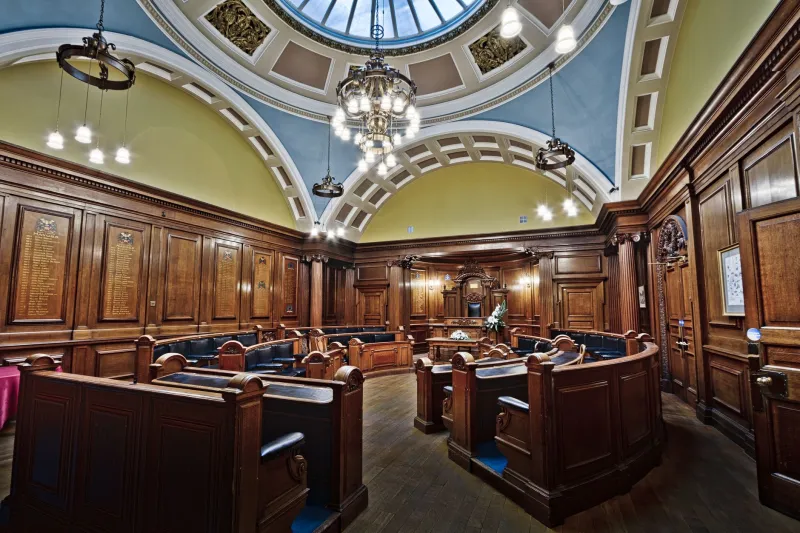
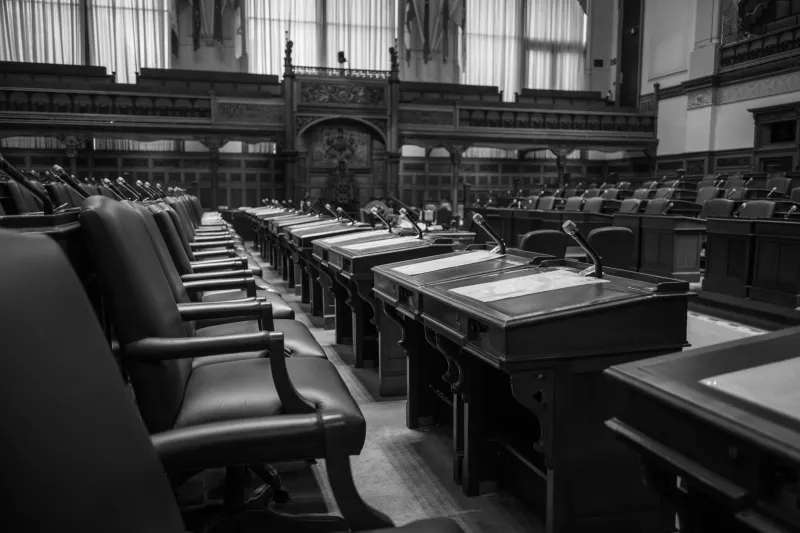
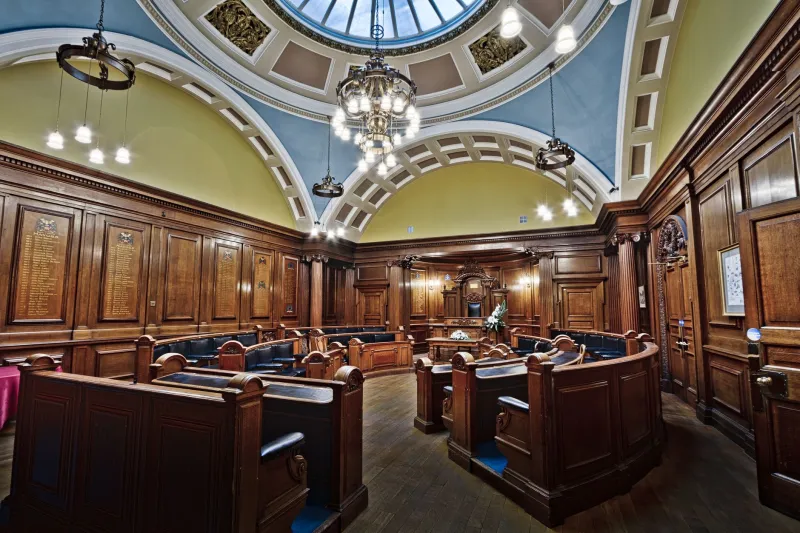
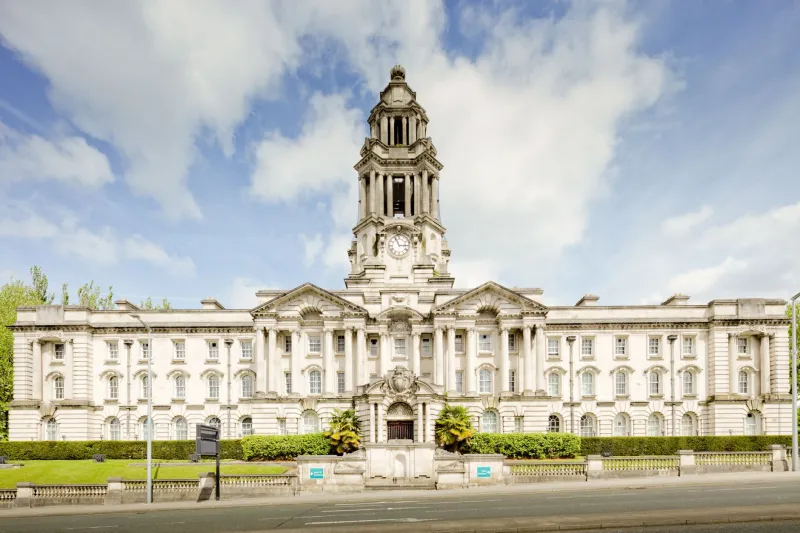
Local government decisions rarely arrive with a fanfare. A budget is set in a committee room; a planning application is approved after a short debate; a scrutiny report is noted without press coverage. The public gallery — physical or virtual — is where residents can watch those choices being made. Its emptiness is often read as apathy. It can also be a sign that the council has made attendance difficult, or that public questions are tolerated rather than welcomed.
Local democracy is shaped as much by who shows up and who is heard as by the ballot box. The following three-meeting experiment is designed to help you test your own council’s openness, not to score points against individual councillors or officers.
Why attendance is an accountability signal
Council meetings are decision-making forums, not performances. Full council approves budgets and major policies. Cabinet or executive meetings take key decisions. Scrutiny committees examine services and hold cabinet members to account. Planning and licensing committees decide cases that directly affect residents. Audit committees oversee risk and value for money.
Attendance by the public and press changes the atmosphere. Councillors speak differently when residents are present. Officers prepare more carefully. Questions that might otherwise be waved through are recorded. An empty gallery is not proof of secrecy, but a consistently empty gallery suggests that accountability is being conducted among a small group.
Finding the meeting
Start with the council’s website. Look for the committee calendar, agendas, minutes and webcasts. Many councils use a committee management system — often branded ModernGov or CMIS — where you can search by date, committee and keyword. Check the constitution for rules on public questions, deputations and speaking rights.
Read the agenda in advance. Reports usually include an officer recommendation, background papers and financial or equality impact assessments. Look for the item you care about and note the recommendation. Then look for the minutes of the previous meeting to see whether earlier public questions received answers.
Check access. Is the meeting in person, hybrid or webcast? Is the room accessible? Are papers published at least five clear days ahead, as the law generally requires for council and committee meetings? Are public question deadlines clearly stated? Is there a plain-English summary?
The three-meeting experiment
Meeting one: full council or cabinet. Attend or watch online. Note the start time, the public question slot and whether the chair invites questions. Listen to whether answers are substantive or simply refer to a report. Record how many members of the public are present and whether local press attend. Ask: could a resident who works full-time have taken part?
Meeting two: a scrutiny committee. Scrutiny is where councillors are supposed to examine decisions before or after they are made. Note whether officers and cabinet members are challenged with evidence. Does the committee follow up previous recommendations? Can the public speak, and are they given notice? Compare the tone with meeting one.
Meeting three: planning, licensing or audit. These meetings often attract public interest because they decide specific cases or oversee spending. Note whether objectors and applicants are heard fairly, whether technical evidence is explained, and whether time limits are applied consistently. Then check the decision and minutes. Did public questions or representations change anything?
After the third meeting, review your notes. Did agendas appear early enough to be useful? Were public questions answered in writing? Did the meeting record show that public concerns were addressed? Were decisions taken in public, or did key debates happen elsewhere?
What to record
Keep a simple log: meeting date, papers available in advance, public question process, quality of answer, whether a decision changed, and whether minutes were published. Avoid judging individuals on style alone. Focus on process: notice, access, evidence, response and follow-up.
From observation to pressure
Observations become accountability when they are shared. Send your findings to your ward councillors, the scrutiny chair and the council’s democratic services team. Ask for specific improvements: earlier publication, plain-English summaries, hybrid access, published answers to public questions, an archive of webcasts and an annual transparency report.
Attend with neighbours or a community group. A single resident can be dismissed as an exception; a regular audience is harder to ignore. Ask candidates at the next local election how they will make meetings easier to follow. Ask your council to publish a short guide to public participation.
The public gallery need not be full to be effective. It needs to be expected. When residents routinely watch, question and follow up, councils have a stronger incentive to explain themselves. The three-meeting test is a small step, but it turns a vague concern about local accountability into evidence — and evidence into pressure.