Seven Decisions in a Village Hall: The Parish Council Choices That Reach Your Street
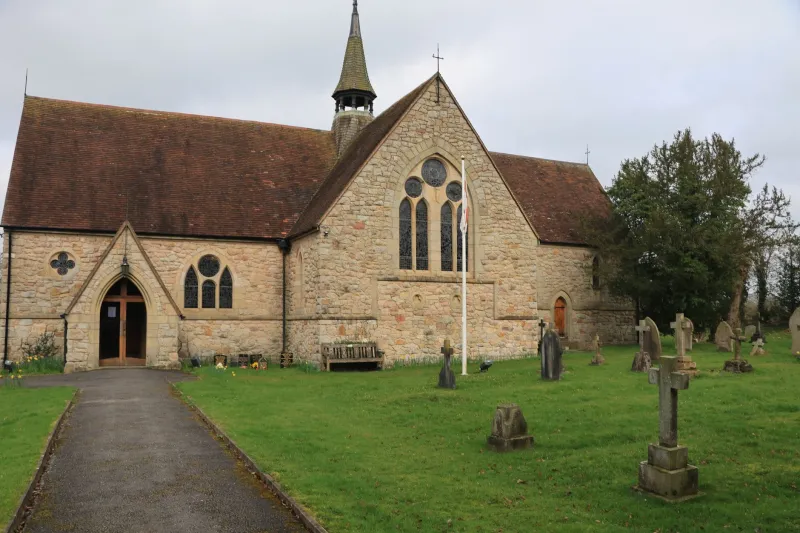
Parish and town councils rarely dominate headlines. They meet in village halls, publish modest agendas and spend sums that can look small beside a county council's budget. Yet they make decisions that reach the front door: whether the playground is repaired, whether the bus shelter stays, how much is added to the council tax bill, and what the council says about a planning application next door.
In England there are thousands of parish and town councils, though they do not cover every urban area. Wales has community councils, Scotland's community councils operate differently, and Northern Ireland has no equivalent tier. This guide focuses on England, but the habits of scrutiny travel.
1. The annual precept and budget
Who decides: the full council, advised by the clerk and the responsible finance officer. The precept is the amount parish councillors ask the district or unitary council to collect through council tax. It is not the whole bill, but it is the part your parish controls.
What to ask: for the draft budget, the reserves policy and what would change if the precept rose or fell. Attend the budget meeting, read the minutes and check the precept demand. A small sum can still reveal priorities.
2. Playgrounds, playing fields and recreation grounds
Who decides: often a recreation or open spaces committee, then the full council. If the council owns or leases the land, it decides repairs, replacement, inspection regimes and whether to seek external funding.
What to ask: for the asset register, inspection reports and maintenance schedule. These are safety decisions as much as spending decisions. If a piece of equipment is out of action, the paper trail should show who knew and what was done.
3. Street furniture and the public realm
Who decides: the parish council for its own assets; the county or unitary highway authority for items on the highway. A bus shelter may need highway consent, a bench may be donated, and a noticeboard may be maintained by volunteers. Ownership and insurance still need an answer.
What to ask: who owns it, who insures it, who empties the bin and who repairs the glass. The answers should be in the asset register or a maintenance agreement.
4. Allotments and community growing spaces
Who decides: an allotment committee or the full council. Councillors set rents, waiting-list rules and management arrangements, and may decide whether to use statutory powers to provide land.
What to ask: for the allotment policy, waiting-list numbers and rent-setting rationale. If demand is rising, the minutes should show whether the council has considered new plots or better use of existing land.
5. Community grants
Who decides: a grants panel or the full council. Parish councils often make small grants to village halls, sports clubs, food banks and community events. The sums may be modest, but the criteria matter.
What to ask: for the grant policy, application form and register of interests. Check whether councillors declare links to applicant organisations. Ask how decisions are recorded and whether unsuccessful applicants receive feedback.
6. Planning comments and neighbourhood planning
Who decides: the parish planning committee agrees comments; the local planning authority decides the application. Parish councils are statutory consultees on planning applications in their area. They can also prepare a neighbourhood plan or design statement, which can shape future development.
What to ask: for the planning protocol, response deadlines and whether comments are based on the development plan. Attend the meeting when comments are agreed. A parish objection is not the final word, but it is part of the record.
7. Road safety and footway requests
Who decides: the county or unitary highway authority decides traffic orders and speed limits. The parish council can request changes, fund surveys, pay for signs or set up a working group. It can also decide what evidence to submit.
What to ask: how the parish liaises with the highway authority, what requests have been made and what responses have been received. Road safety is a good test of whether the council follows up or simply passes motions.
How to attend without feeling like an outsider
Agendas must usually be published at least three clear days before a meeting, on the council website and on a noticeboard. Most councils set aside time for public participation; ask the clerk how it works. Minutes are published in draft and then approved. The annual parish meeting, held between March and June, is a meeting of electors rather than the council, and it can be a useful place to raise issues.
How to scrutinise
Read the agenda pack, not just the agenda. Ask for supporting papers. Check the register of interests. Put one clear question in writing: what decision is being asked for, and on what evidence? Many parish councils must publish spending over £500 under the Local Government Transparency Code; check yours. If a document is missing, ask for it politely and in writing.
How to stand or be co-opted
Scheduled parish elections usually follow the principal council cycle. Casual vacancies may be filled by co-option, where the council chooses a new member. Ask the clerk about eligibility, nomination papers and the process. You do not need to be a seasoned campaigner, but you do need to understand the council's powers and its limits.
A five-minute start
Find your council's website. Read the last three agendas. Note one decision that affects your street. Attend the next meeting and ask one written question. That is how a village hall becomes visible.